












Skip to Main Content
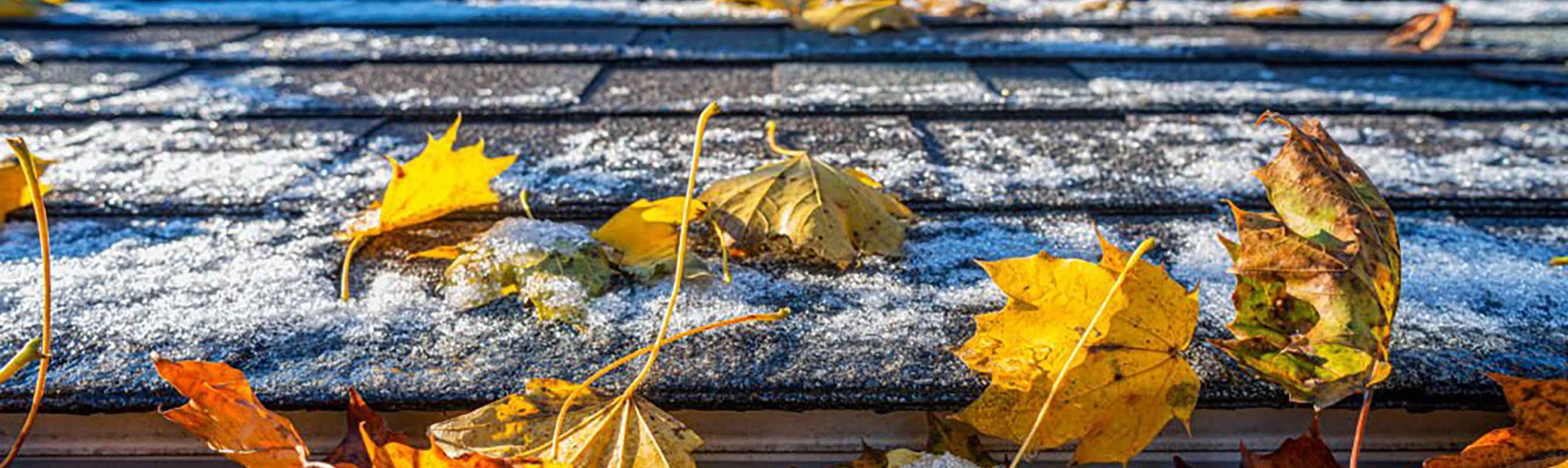
Close up view of shingles with snow and frost coating, and fall leaves.

Fall Roof Maintenance & Winter Roofing Tips for Homeowners

As summer ends, it's time to prepare your home for the changing seasons. You may already be pulling annual plants, storing patio furniture, and sealing gaps around windows and doors. While you're working through your fall home maintenance checklist, don't forget to look up. Your roof has a winter season to get ready for, too.

Cold weather can be more than just a hassle; it can cause serious damage to your roof. Fall leaves and pine needles can collect in gutters, while winter brings freezing temperatures, snow accumulation, and ice dams. Conditions inside your attic matter, too. Attic insulation and ventilation can affect how your roof handles winter weather, particularly in areas where ice dams are a concern.

Early fall gives you time to check these areas while the weather is still cooperative and address problems before freezing temperatures arrive.
Fall Roof Maintenance

The old saying "failing to plan is a plan to fail" applies to taking care of your home. Early fall, when the air is crisp and the weather's still sunny and pleasant, is an excellent time to tackle roof maintenance and address anything you don't want to discover after the first snow.

Start with a good look at the roof. You don't need to climb up there to spot an obvious problem. Walk around the house and look for missing, cracked, curled, or displaced shingles. Binoculars can help you see more without leaving the ground. If something looks damaged or simply different from the rest of the roof, have a roofing contractor take a closer look.

While you're outside, look at the trees around the house. Trim back branches that overhang or contact the roof, and watch for dead or damaged limbs that could fall during a winter storm, especially under the added weight of snow or ice.

For more fall roof maintenance tips, including a closer look at routine inspections and debris removal, visit our Annual Home Roof Maintenance guide.

Cleaning Gutters

When leaves and pine needles clog your gutters, water can't drain properly away from your house. Add freezing temperatures to the mix, and a clogged gutter is one problem you don't want to carry into winter.

Check your gutters periodically throughout the fall, especially if there are large trees near your house. Clearing collected debris and trimming overhanging branches may help with the steady supply of leaves. Gutters that are high, difficult to reach, or unsafe to access are best left to a professional.

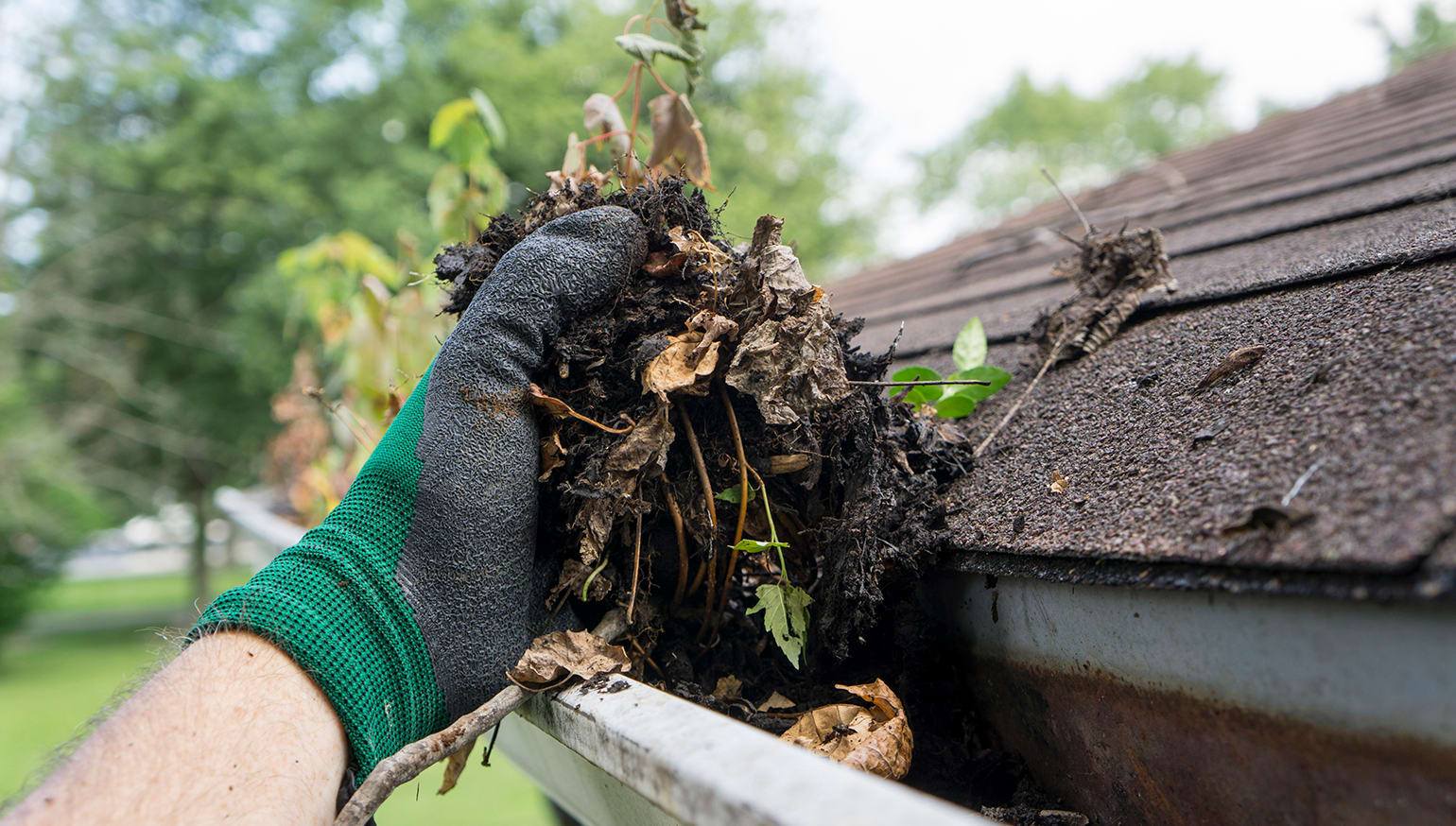
Leaves and other debris being removed form the gutters with green and black gloves.

Ensure your gutters are clear of debris and build-up.

Inspecting Attic Insulation and Ventilation Systems

After checking the gutters, it’s time to head inside. Your attic may not be the first place that comes to mind when you think about winter roof maintenance, but what happens below the roof deck can affect what's happening on top of it.

If your home lacks adequate attic insulation or roof ventilation, it could be at risk of ice damming this winter. Insulation helps slow heat transfer into the attic, while ventilation helps manage excess heat and moisture. In cold, snowy weather, both are important.

Attic Insulation

In winter, ice damming can occur when snow thaws over warmer portions of the roof and then refreezes along the eaves (the lower edges of the roof). Excess rooftop snow, freezing temperatures, and sunny winter days can all play a part.

Attic insulation helps reduce the amount of heat moving from your conditioned living space into the attic. Without the proper R-value of insulation, that heat can warm the roof deck above and increase snowmelt. The water then runs down the roof until it reaches the colder eaves, where it can freeze again.

More insulation isn't automatically better if it's installed incorrectly. Insulation shouldn't cover the intake ventilation near the eaves. Those vents need to remain open so the attic ventilation system can do its job.

If you're not sure how much insulation your attic needs, you can refer to your local building codes, or consider scheduling a roof inspection. During an inspection, a roofing professional can assess insulation levels, check for blocked ventilation, and identify areas that may need attention.

Attic Ventilation

Your roof's ventilation system usually includes a balance of intake vents along the eaves and exhaust vents near the roof ridge. Together, they allow air to move through the attic instead of trapping excess heat and moisture inside.

That matters in July, just as much as it matters in January.

During the winter, warm, moist air from inside the home can make its way into the attic. If you're seeing condensation, damp insulation, or staining, don't assume the solution is simply to add another vent. There may be an issue with insulation, ventilation, or moisture that needs to be identified first.

What Are the Signs of an Ice Dam?

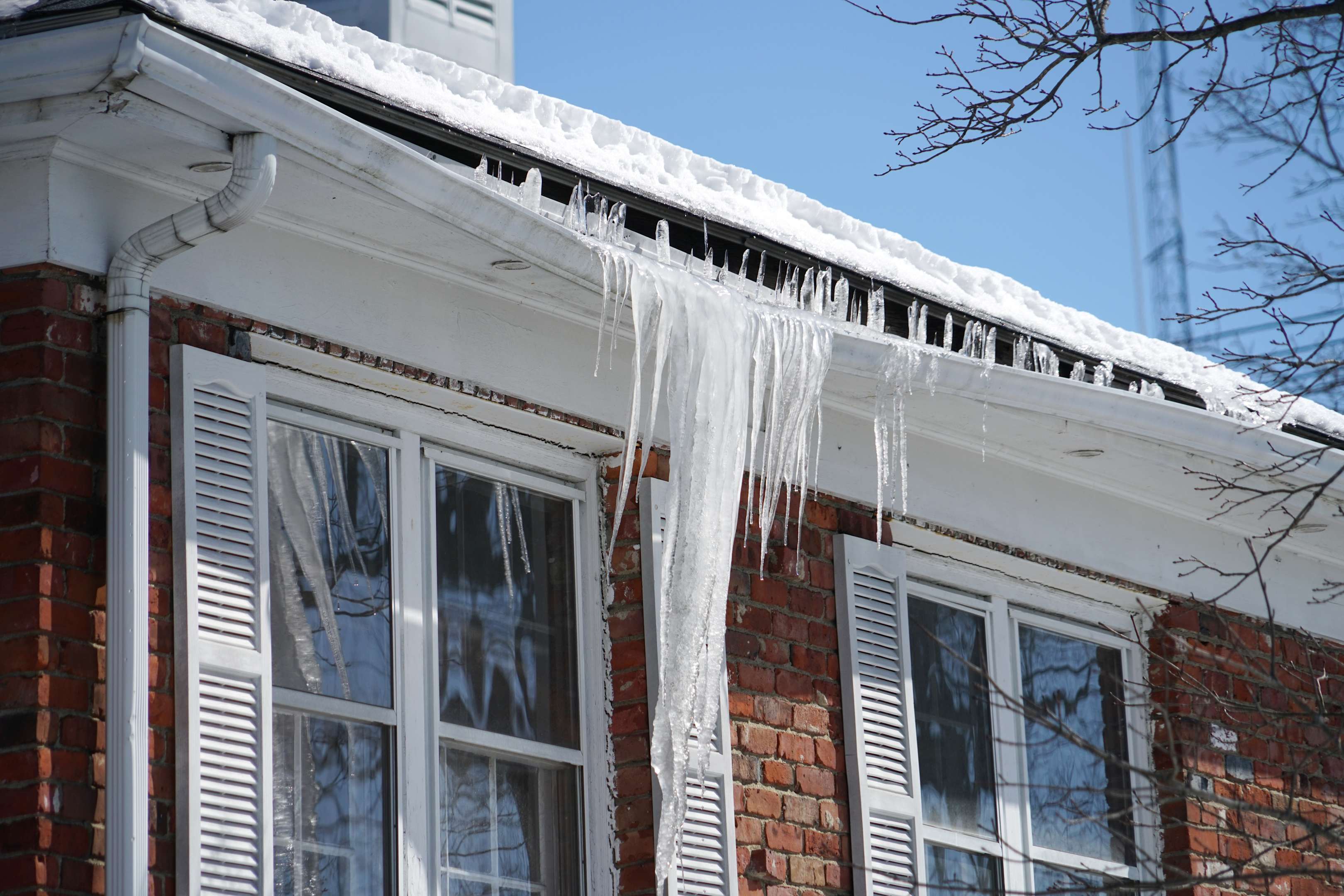
Ice along the edge of a roof doesn't necessarily mean you have an ice dam. But a thick ridge of ice along the eaves, especially when snow remains higher up on the roof, is worth noting. Icicles may also appear along the roof edge or gutters.

The bigger concern is what you may not be able to see from outside. Water held behind an ice dam can work its way beneath the shingles and into the roof deck. Indoors, that moisture may show up as water stains on ceilings or walls, damp insulation in the attic, or other signs of a leak.

If you notice these warning signs, avoid climbing onto an icy or snow-covered roof to investigate. A roofing contractor can inspect the roof and attic and determine if insulation, ventilation, or another part of the roofing system needs attention.

Winter Roofing Tips

Once winter is in full swing, the way you care for your roof changes. There are fewer maintenance jobs to tackle and more reasons to pay attention to the weather. After a heavy snowfall or windy winter storm, take a look at the roof from the ground and keep these winter roofing tips in mind

● Watch how snow is collecting. Snow adds weight to the roof, but not all snow is the same. Six inches of light, powdery snow is very different from six inches of heavy, wet snow. Roof design and condition matter, too, so snow depth alone doesn't tell you how much load a particular roof can safely carry.

● Check the roof after high winds. From the ground, look for shingles that appear missing, lifted, or out of place after a winter storm.

● Stay off of snowy or icy roofing surfaces. If something concerns you, call a roofing professional instead of climbing up to investigate yourself. Snow can conceal roof edges and other hazards, while ice can make the surface extremely slippery.

Should You Remove Snow or Ice From Your Roof?

Many common snow removal methods  pose a risk to damaging your roof shingles, which may result in voiding your warranty. It's best to consult your shingle manufacturer or refer to your specific roofing warranty details for guidance.

In areas that get a lot of snow, roof rakes are sometimes used to remove snow while staying on the ground. If you use one, follow the manufacturer's directions and pay attention to power lines and other hazards around the house.

Avoid trying to clear snow by climbing onto the roof with a shovel, and don't chip or break apart an ice dam with a tool. Besides the risk of a fall, either approach could damage shingles or other roofing components. 

And remember, removing the ice doesn't tell you why it formed. If ice dams keep coming back, it's time to look at the bigger picture.

What if Your Roof Leaks During the Winter?

If you discover a roof leak during the winter, keep in mind that the spot where water appears inside isn't necessarily directly below the source. Water can travel along the roof deck, rafters, and other materials before it reaches a ceiling or wall.

If you can safely access the attic, look for visible moisture and take photos of what you find. Move belongings away from the affected area and contain any dripping water where possible. Leave the snowy roof alone. When conditions allow for a safe inspection, a qualified roofing contractor can trace the source of the leak and determine what repairs are needed.

Owens Corning Roofing Products

If you're planning a roof replacement or making improvements to your home, winter preparation is a good reminder that shingles are only one part of the roofing system. What's underneath the shingles and inside the attic matters, too.

Ice and Water Barrier products: These self-adhered underlayments adhere securely to the roof deck, offering a secondary layer of water protection beneath the shingles. They can be installed across the entire roof deck or in areas more susceptible to water intrusion, such as eaves, valleys, and roof penetrations.

Roof deck with layers of the roofing system peeled back to reveal the exposed roof deck, ProArmor underlayment, and WeatherLock Ice and Water Barrier

VentSure® Ventilation products: Intake and exhaust ventilation work together to help your roof breathe, creating a balanced flow of air through attic spaces. This helps prevent excess heat and moisture from lingering in the attic.

Roof ridge with gray asphalt shingles cut away to expose the VentSure ridge vent.

AttiCat® Insulation: Blown-in AttiCat® insulation makes it easier to achieve the proper insulation levels throughout an attic. Proper attic insulation helps slow heat transfer into the attic, an important consideration for homes in cold, snowy climates.

AttiCat Insulation being blow into the attic floor by roofing contractor.

Find a Roofing Contractor

Need help getting your roof ready for winter? Search the Owens Corning Roofing Contractor Network to find independent roofing contractors in your area and read reviews from other homeowners.

Once you've narrowed down your options, check out our tips on choosing a roofing contractor for questions to ask before making your decision.

Is Your Roof Ready for Winter?

The best time to prepare your roof for winter is before the first snowflakes fall. Taking care of potential trouble spots in the fall gives you a chance to head into colder weather knowing you've done what you can to get your roof and attic ready.

Once winter arrives, keep an eye on your roof after storms and address anything that looks off. And when those first warm spring days return, use our Spring Roof Maintenance guide to see how your roof handled the season and what may need attention next.