







Skip to Main Content
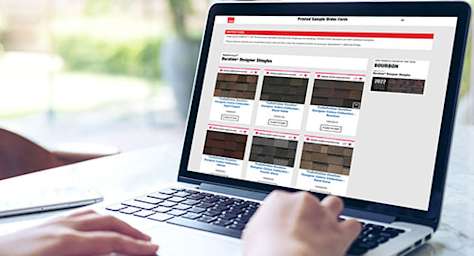
Closeup photo of hands typing on a laptop with a sample roof quote on the screen

Understanding Roof Estimates and Quotes

A roofing estimate is more than just a quoted price. It's a roadmap for your roofing project that outlines the materials, labor, timeline, and scope of work your contractor recommends for your home.

Today, many roofing contractors use advanced technology, including aerial measurements, satellite imagery, and digital estimating tools, to create detailed and accurate roofing estimates. These tools can help speed up the process while providing homeowners with a clearer understanding of their roofing needs.

Before you choose a contractor or compare pricing, it's important to understand what should be included in a roofing estimate and what questions to ask. This guide will walk you through the process and help you confidently evaluate your options.

Everything You Need to Know About Getting a Roofing Estimate

If this is your first time getting a new roof or roof repair, then the process of getting a roofing estimate, or roofing quote, could be intimidating.

After you’ve narrowed down your list of potential roofing contractors to hire, getting a roofing estimate is the next logical step in your roof project.

Roofing estimates can help you choose between equally qualified roofing contractors or provide options regarding materials and the scope of work, such as deciding between a roof repair or a total roof replacement.

Find out what information should be included in a roofing estimate, what it all means, and how to compare your choices.

What Is a Roofing Estimate?

A roofing estimate, or roofing quote, is a written summation of the scope of your roofing project provided by a roofing contractor.

What’s Included in a Roofing Estimate?

Roofing estimates can vary widely from one roofer to another — some may email a one-page quote, while others may use computer-templated software to create detailed reports that include the estimate.

A professional roofing estimate should provide much more than a price. It should clearly explain what work will be done, what materials will be used, how long the project is expected to take, and what protections are included after installation.
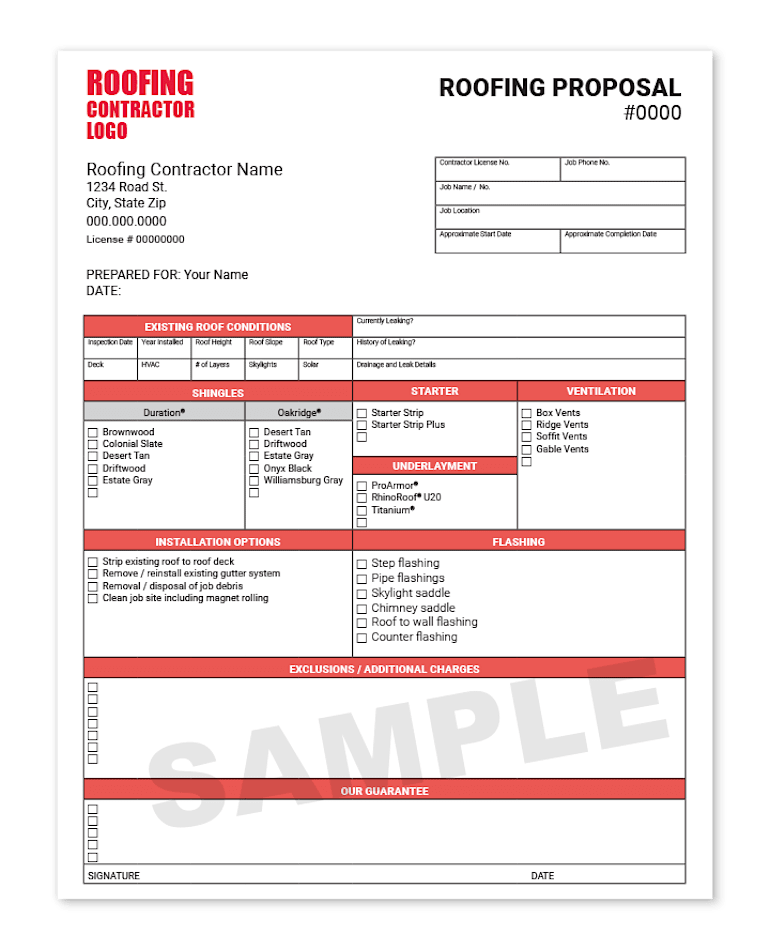
At a minimum, here is what a basic roofing estimate should outline for you:

  • Materials and product specifications
  • Detailed scope of work
  • Cleanup and debris removal plans
  • Required permits
  • Contractor licensing and insurance information
  • Estimated project timeline
  • Total project cost and payment terms
  • Manufacturer and workmanship warranty coverage
An example of a typical roofing estimate or quote from a contractor

Materials and Product Specifications

A roofing estimate or quote should mention the brand and types of roofing materials your roofing contractor intends to use. Look for these on your estimate:

Cleanup and Debris Removal

Part of repairing or replacing a roof involves the removal and cleanup of discarded materials, and the roofing contractor’s estimate should account for these costs. Some examples:

  • Removal of old roofing materials
  • Dumpster, hauling, and site cleanup responsibilities

Local Permits, Contractor Licensing, and Insurance Information

Depending on where you live, local and city building codes may require permits for a roof repair or reroof project. Experienced, reputable roofing contractors should be familiar with what is needed regarding permits and should factor these costs into the estimate. Another critical component to any roofing quote should be proof of the roofing contractor’s license (if required in your state) as well as proof of liability insurance and workers’ compensation. This lets you know the roofing contractor is reputable and licensed to perform the work.

  • Any required permits and associated costs
  • Proof of contractor licensing (where required)
  • Liability insurance and workers' compensation coverage

Project Timeline

A roofing estimate should provide an expected timeline for the project, including anticipated start and completion dates. Understanding the schedule upfront can help you plan accordingly and set realistic expectations, especially since weather, material availability, and unforeseen roof conditions can sometimes affect timing.

  • Estimated start and completion dates
  • Any factors that could affect scheduling

Total Project Cost and Payment Terms

A detailed estimate should clearly explain how project costs are calculated and when payments are due. Transparency around pricing helps homeowners compare quotes more effectively and avoid surprises once work begins.

  • Itemized project costs
  • Payment schedule and accepted payment methods
  • Information about potential additional charges if unforeseen issues are discovered

Warranty Coverage

A new roof is a significant investment, and warranty coverage can provide added peace of mind. Be sure to understand both the manufacturer's warranty for roofing materials and any workmanship warranty offered by the contractor, including any requirements needed to maintain coverage.

COMPARING ROOFING QUOTES: THINGS TO KEEP IN MIND

It’s easy to compare roofing estimates on the sole basis of cost — after all, you’re just comparing numerical values. But the numbers may not always tell the whole story.

Here are some things to keep in mind as you compare your roofing estimates:

  • Make a fair, apples-to-apples comparison between multiple roofing estimates. A more expensive quote might include work that is a bit more comprehensive or that involves a complete roof replacement, while another cheaper quote might be based on a roof repair.
  • Your roofing quote may include transportation costs, depending on how far the roofing contractor is from you. If they’re a local business, this may not be a factor.
  • If you have a steep roof, there may be extra costs due to the roofing work being more complex and proposing higher safety risks for the roofers.
  • The roofing material you choose is going to impact the overall cost, as well. Different types of roofing shingles and components or accessories, such as underlayment, vents, etc., vary in price due to differences in material make-up, performance, and aesthetic attributes.
  • If you decide to make improvements to your existing roof along with the repairs, this can also affect the cost. Whether it’s increased ventilation through additional roof vents, or an attic fan or skylight to improve energy efficiency, these upgrades should also be factored into your estimate.

Warranty coverage can impact the overall value of your roofing investment. When comparing estimates, look beyond the initial cost and review both the manufacturer's product warranty and the contractor's workmanship warranty. Different roofing systems and installation methods may qualify for different levels of coverage, making warranty protection an important factor when evaluating competing quotes.

 Look out for roofing quotes that seem too good to be true because they probably are. An unusually low estimate may indicate corners are being cut on materials, installation practices, licensing, insurance, or warranty coverage. When comparing roofing quotes, consider the overall value being offered, not just the bottom-line price. Learn more about the key factors that impact roof replacement costs.

HOW TECHNOLOGY IS CHANGING ROOFING ESTIMATES

Today's roofing contractors have access to advanced tools and technologies that can help create accurate roofing estimates and streamline the planning process. While many contractors still perform an in-person inspection, they may also use aerial imagery, satellite measurements, drones, and specialized roofing software to gather information about your roof.

These technologies can provide valuable insights into your roof's size, slope, complexity, and potential areas of concern before work begins. In many cases, they allow contractors to develop detailed estimates more efficiently while helping homeowners better understand the scope of their roofing project.

Common technologies used during the estimating process include:

  • Aerial Measurement Reports that calculate roof dimensions, pitch, and material quantities.
  • Satellite and Aerial Imagery that provide a bird's-eye view of the property and roof layout.
  • Drone Inspections that can capture detailed images of difficult-to-access areas.
  • Digital Estimating Software that helps contractors generate professional proposals outlining materials, labor, timelines, and costs.

While technology can improve accuracy and efficiency, it's still important to ask questions and review your estimate carefully. A quality roofing estimate should clearly explain the recommended work, materials, warranties, and project timeline so you can make an informed decision.

Questions to Ask About a Digital Roofing Estimate

If your contractor uses aerial measurements, drones, or digital estimating tools, consider asking:

  • How were the roof measurements obtained?
  • Will an on-site inspection be performed to verify conditions?
  • What assumptions were made when preparing the estimate?
  • Does the estimate account for any potential decking repairs or unforeseen issues?
  • Are all materials, warranties, permits, and cleanup costs included?

Using technology can help create a more efficient estimating process, but a trusted roofing contractor should still be willing to walk you through the details and answer any questions you have before work begins.

QUESTIONS TO ASK YOUR ROOFING CONTRACTOR BEFORE GETTING AN ESTIMATE

Before you request an estimate, take some time to understand the condition of your roof and your options for repair or replacement. If a contractor recommends a roof repair or a full roof replacement, ask them to explain why they believe that solution is the best fit for your home.

Don't be afraid to ask questions about the scope of work, materials, and expected lifespan of the proposed solution. In some cases, it may be beneficial to request separate estimates for both a repair and a replacement so you can compare costs, long-term value, and performance expectations.

As you gather estimates from multiple contractors, look beyond the bottom-line price. A detailed roofing estimate should clearly outline the proposed work, materials, warranties, project timeline, and any additional costs. Comparing estimates side-by-side can help you better understand the differences in value and make a more informed decision.

FIND THE RIGHT ROOFING CONTRACTOR FOR YOUR ROOFING PROJECT

Choosing the right roofing contractor is just as important as choosing the right roofing materials. A reputable contractor can help you understand your options, identify potential issues before they become costly problems, and provide a detailed estimate that clearly outlines the scope of work, materials, timeline, and warranties.

As you research contractors, look for companies that are properly licensed and insured (where required), have strong customer reviews, and are willing to answer your questions throughout the process. Many professional roofing contractors also leverage advanced technology, such as aerial measurement reports, drone inspections, and digital estimating tools, to improve accuracy and help homeowners make more informed decisions.

If you think your home might need a new roof or roof repair, contact an independent roofing contractor in the Owens Corning Roofing Contractor Network near you.


Owens Corning Roofing Contractor Network members are independent contractors and not affiliates of Owens Corning Roofing and Asphalt, LLC or any of its affiliates (collectively, “Owens Corning”). The decision to hire any contractor listed on this site is a decision made solely by the homeowner. Owens Corning does not guarantee the quality of work performed by any contractor. Terms of Service